India

Delhi opposition march intensifies dispute over India's voter-list revision

Opposition parties demanded the election chief's resignation over a nationwide voter-list revision, while the Election Commission says eligible voters can challenge exclusions.

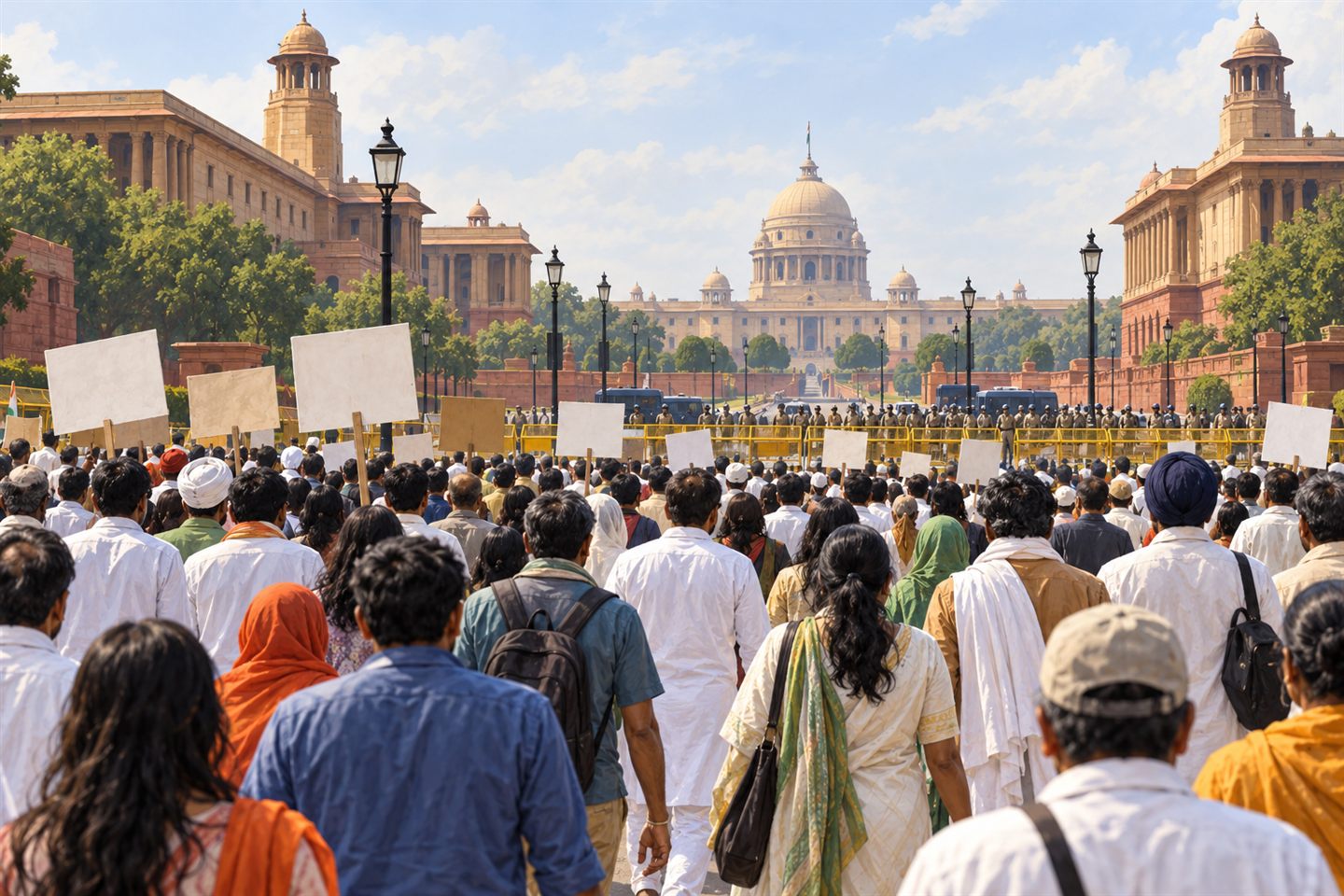
An original illustration of a large peaceful march near government buildings in Delhi
Original News Polite editorial illustration. It does not depict a specific moment or identifiable participant.

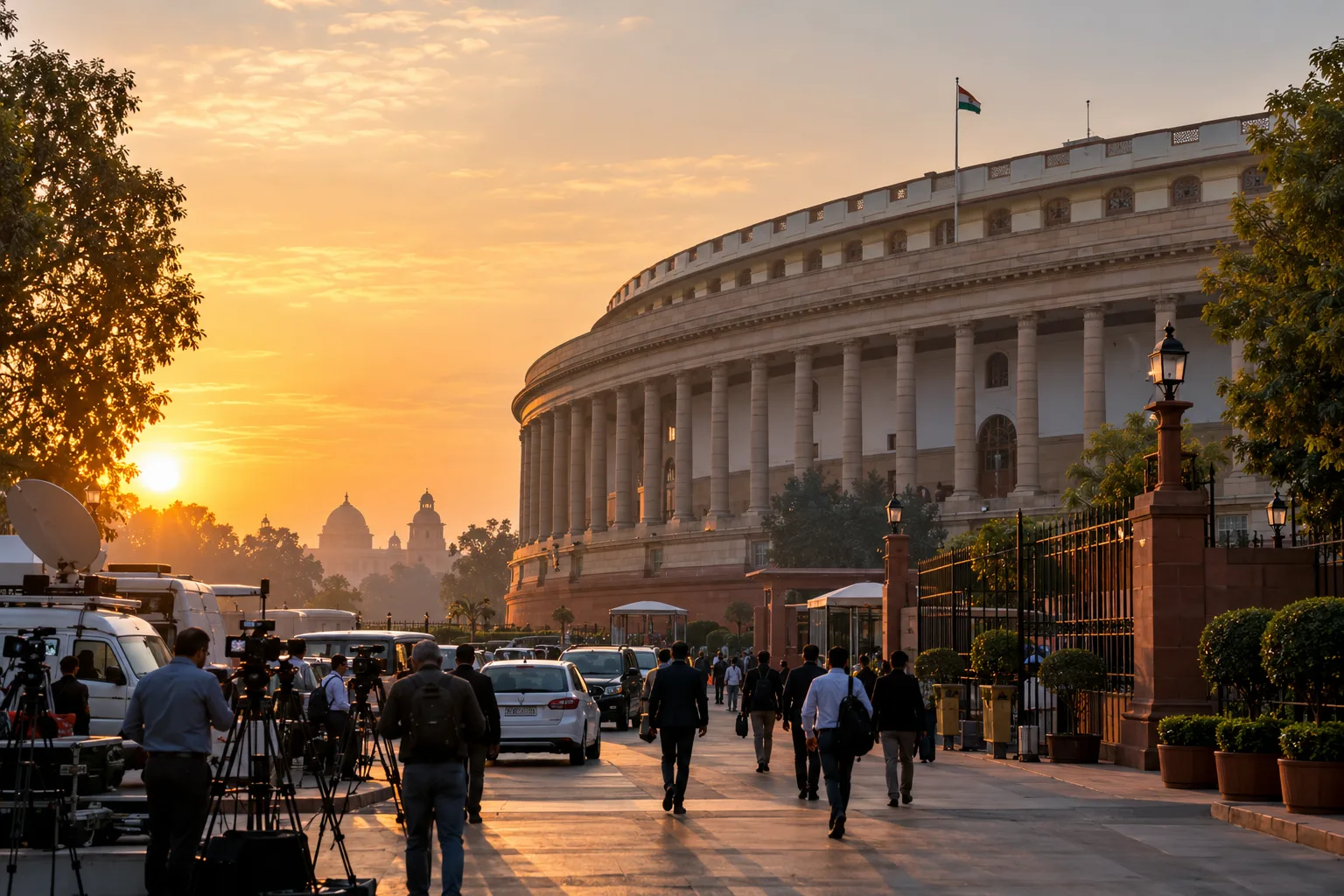
India's opposition has increased pressure on the Election Commission after a large Delhi march challenging the nationwide revision of electoral rolls. Security personnel and traffic controls surrounded the rally site on Sunday as organizers demanded the resignation of Chief Election Commissioner Gyanesh Kumar.

Opposition parties argue that the Special Intensive Revision could wrongly remove eligible voters and favour the governing Bharatiya Janata Party. The Election Commission has denied partisan conduct and says eligible people omitted from draft rolls can file claims and re-enrol. The BJP has accused opponents of undermining confidence in a legitimate process.

What the dispute is about

Electoral rolls determine who may vote in a constituency. Updating them can remove duplicate, deceased or ineligible entries and add new voters, but errors can also prevent eligible citizens from voting if safeguards and correction procedures do not work properly.

That makes transparency, notice and an accessible appeals process central to the dispute. Claims that a revision is either entirely fraudulent or entirely error-free require evidence beyond political statements.


What voters can do

People should check their registration through official Election Commission or state chief electoral officer services rather than relying on forwarded messages. Anyone missing from a draft roll should follow the published claims-and-objections process and retain copies of submissions. Deadlines and required documents can differ by stage and location.

The march is part of a wider political and legal confrontation, not a final determination about the validity of the revision. Courts, election authorities and documented constituency-level data will be important in establishing what errors occurred and whether remedies are adequate.

News Polite will update this article when the Election Commission publishes a substantive response, revised figures or new deadlines, or when a court issues a relevant order.

Sources

News Polite rewrites and contextualises reports in its own words. Links are provided so readers can inspect the underlying reporting and primary material.

← Back to the homepage