Politics

Trump administration asks Supreme Court to set aside disputed California mail ballots

An emergency appeal seeks the separation of about 20,000 California mail ballots, one day before the US midterm elections.

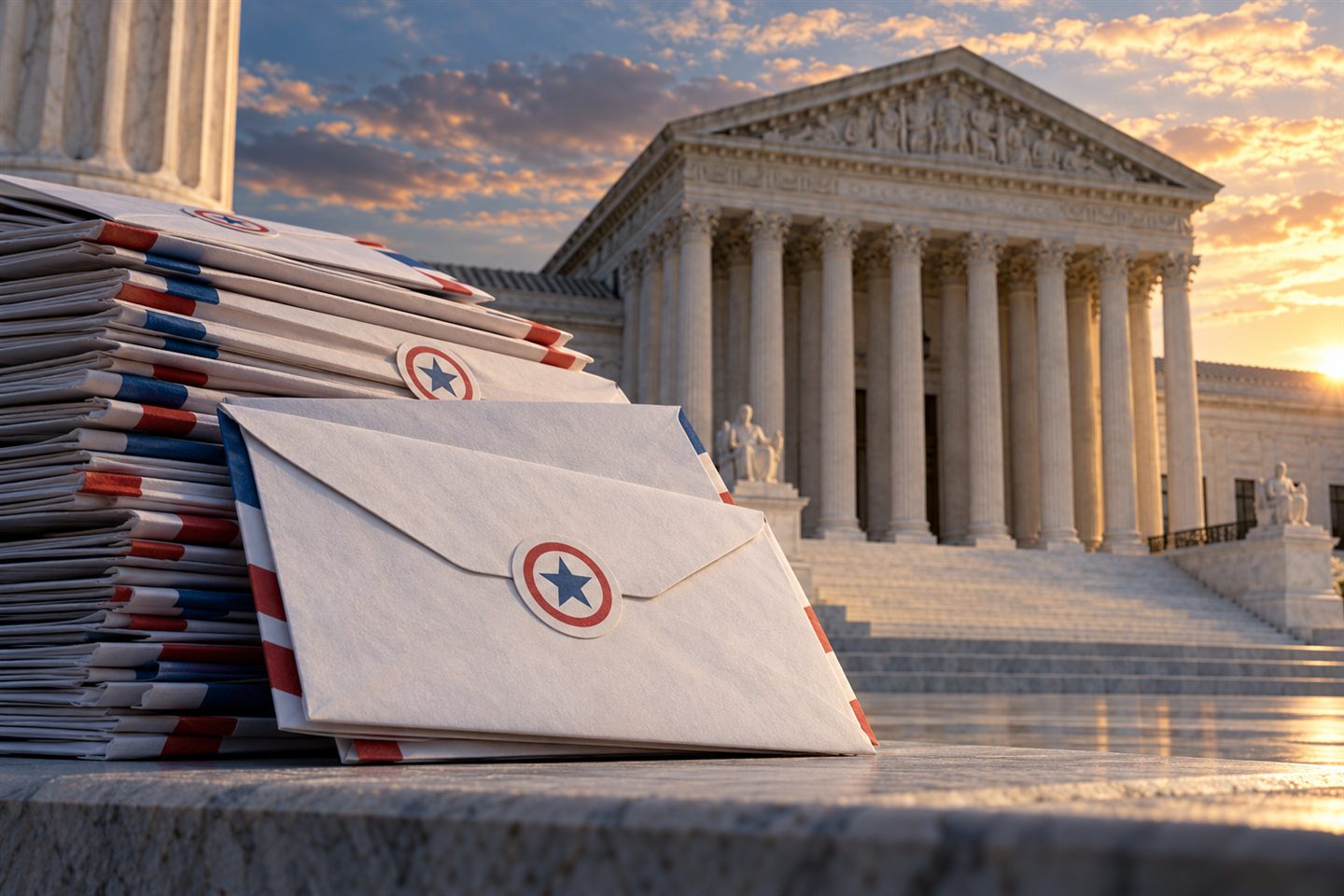
An original illustration of sealed mail ballots outside the US Supreme Court
Original News Polite editorial illustration. The envelopes and seals are symbolic.

The Trump administration asked the US Supreme Court on Monday to require California to separate roughly 20,000 mail ballots while a dispute over the voters' citizenship status continues. The emergency application arrived the day before the midterm elections.

The Associated Press reported that a federal appeals court had already rejected the administration's request. The government says the named voters may not be US citizens; California and voting-rights advocates dispute the attempted intervention and warn that eligible voters could be disenfranchised.

What the request would do

The administration is asking for the ballots to be set aside rather than immediately included in the ordinary count. That does not establish that any ballot is unlawful, and an allegation about a registration record is not the same as a judicial finding that an individual is ineligible.

California has been conducting mail voting since early October. State procedures include signature verification and other checks before a ballot is tabulated. The legal question now before the justices concerns emergency relief during an election already in progress.

Why timing matters

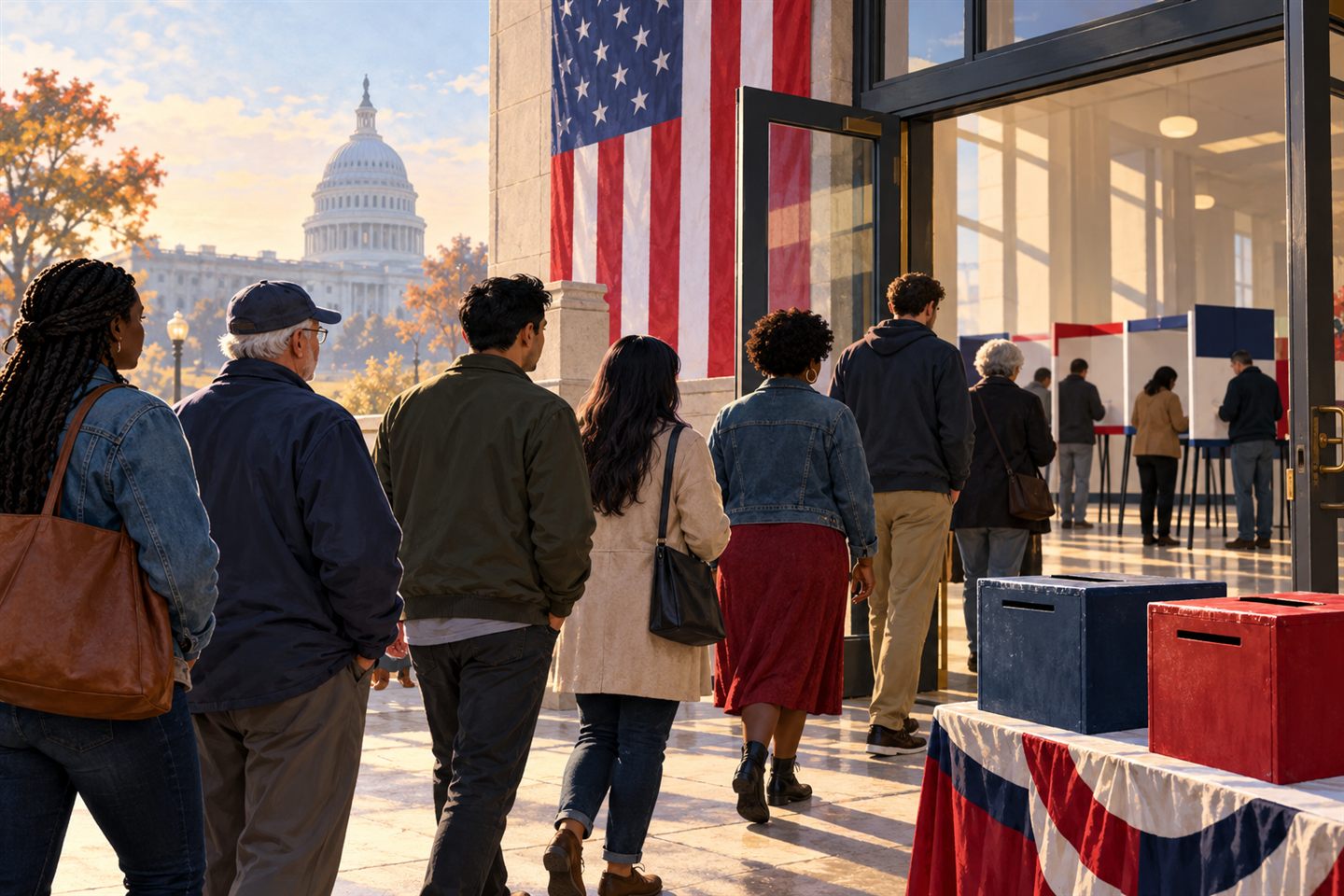
Election disputes brought immediately before voting ends can create practical problems for officials and voters. Courts often weigh the asserted legal issue against the risk of disruption, confusion or the exclusion of eligible ballots.

The Supreme Court could grant, reject or otherwise respond to the emergency application. Until it acts, lower-court decisions remain the clearest guide to the case's status.

This is a developing legal story. News Polite will update the article if the court issues an order and will avoid describing disputed voters as noncitizens unless that status is established through a reliable legal process.

Sources

News Polite rewrites and contextualises reports in its own words. Links are provided so readers can inspect the underlying reporting and primary material.

← Back to the homepage