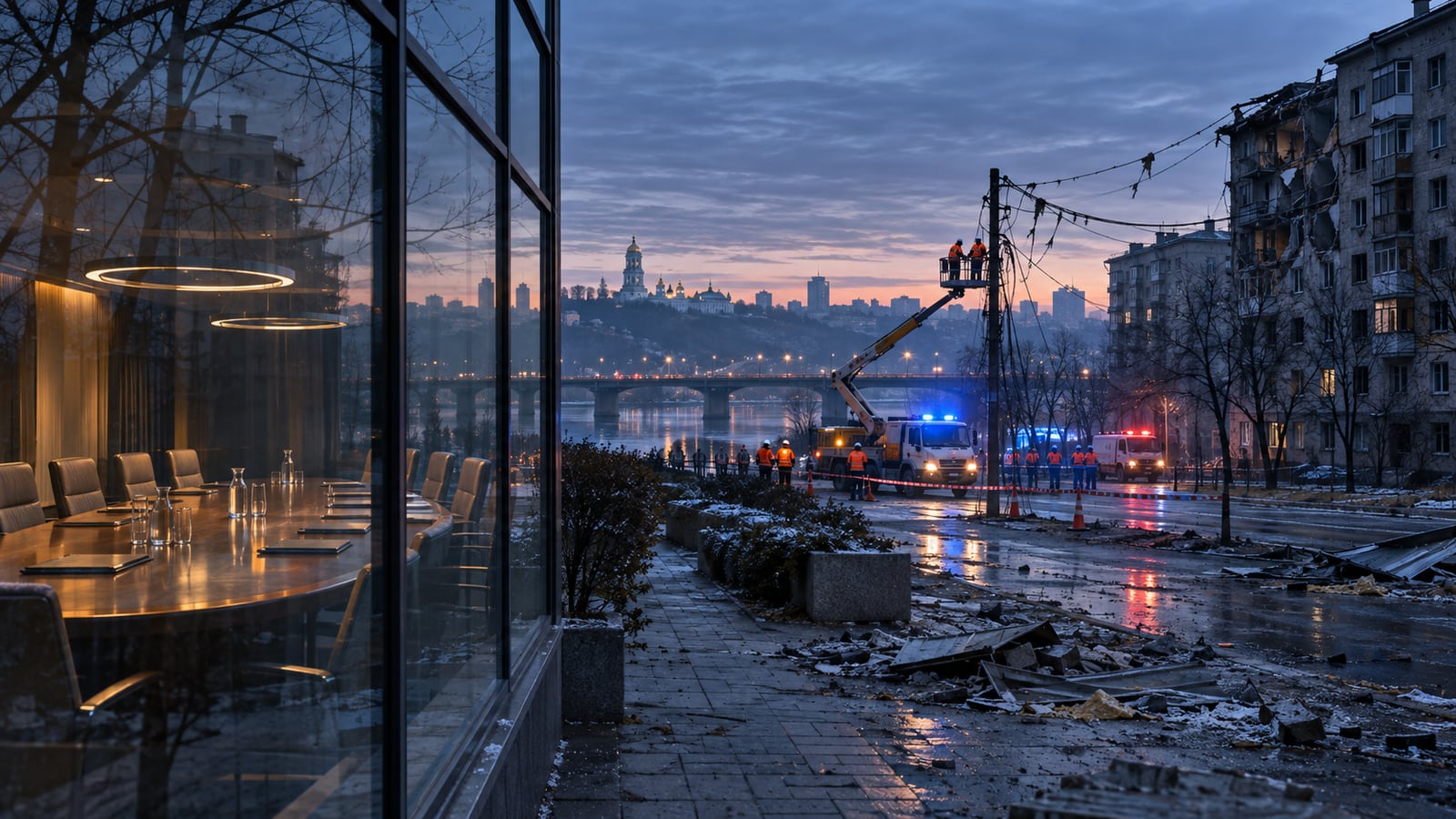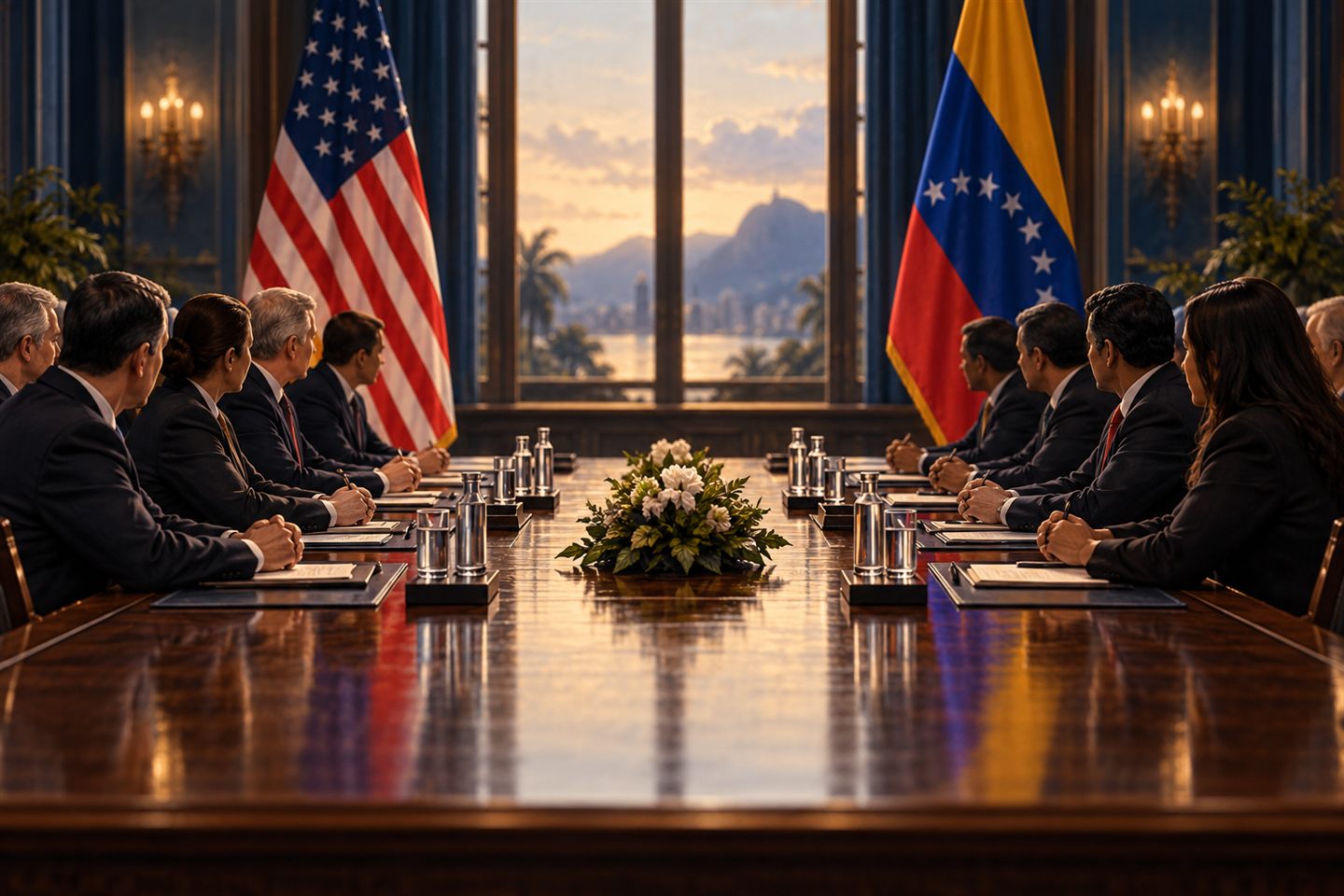
World leaders and negotiators arrive in Antalya for COP31 from November 9 to 20, carrying familiar promises into a year marked by destructive heat, floods, storms and energy insecurity. The summit's hardest problem is no longer identifying solutions. It is deciding who moves first, how quickly and who pays when governments fall behind.
UN Secretary-General António Guterres is treating the meeting as a final major climate push before his term ends. In an interview with the Associated Press, he described the negotiations as a moment when countries can no longer keep shifting responsibility to someone else.
Three fights to watch
The first is the speed of emissions cuts. Governments broadly agree that clean power, efficiency and electrification must expand, but national plans still do not collectively match the scale of warming risks described by scientists. Negotiators will be judged on measurable implementation rather than another carefully worded declaration.
The second is money. Developing countries need financing for clean infrastructure and for adapting to heat, drought, storms and rising seas. They also argue that communities suffering losses from climate change often contributed the least to the accumulated emissions driving it. Guterres has again argued that extraordinary fossil-fuel profits should help support countries facing the most severe damage.